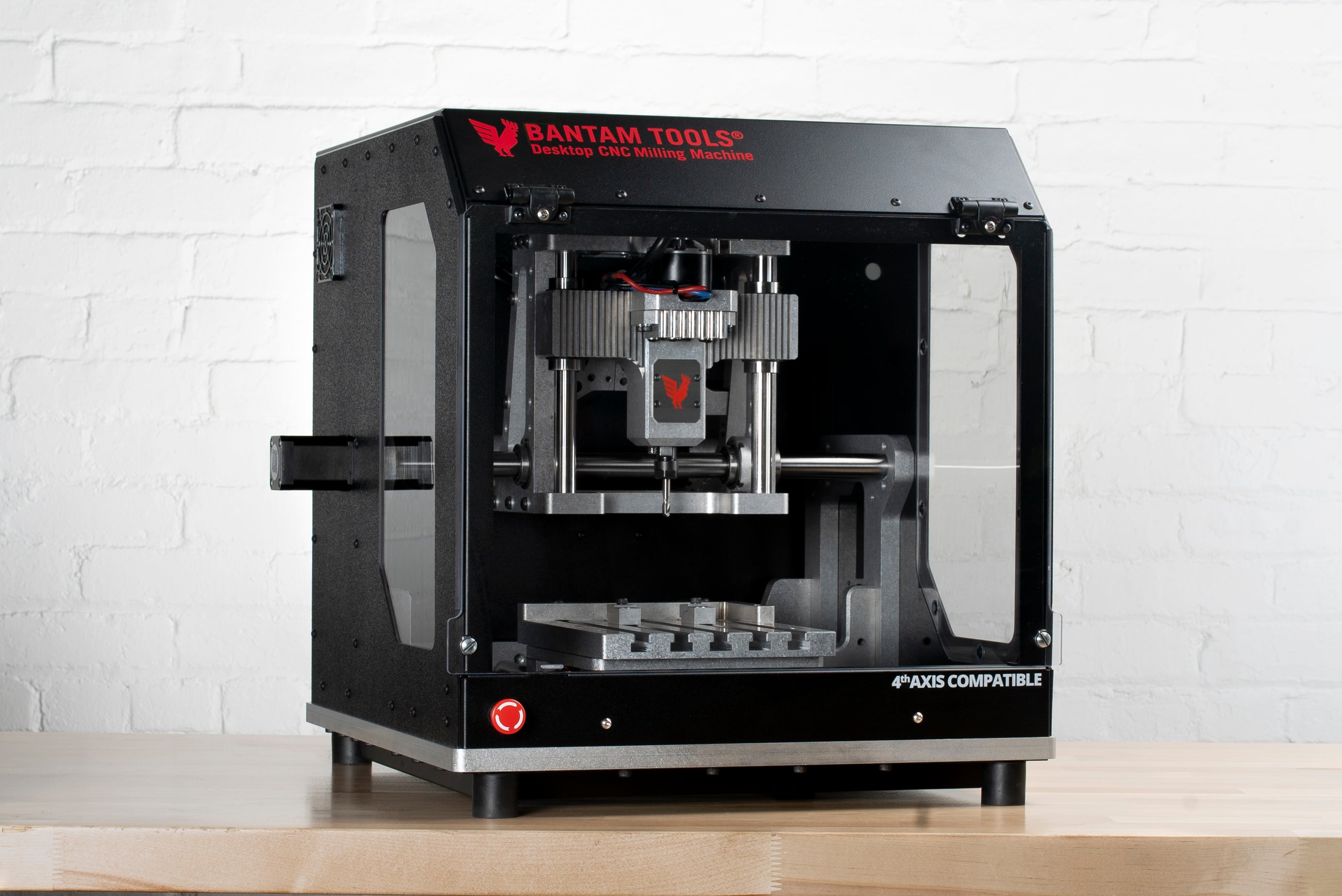
Cutting Aluminum on a Hobby CNC Router: Is Your Machine Actually Ready?
Most hobby CNCs can touch aluminum. Far fewer can do it cleanly, repeatably, and without turning every job into a tuning exercise. This guide helps you figure out which camp your machine is actually in.
Buy for aluminum if
Rigidity, runout control, and repeatable workholding matter more to you than having the biggest cutting area on paper.
Skip the upgrade spiral if
Your machine still flexes noticeably by hand. At that point the smarter move is often a better frame, not another accessory bolted onto a weak platform.
Recommended next steps
Compare candidates on our aluminum router list, then read the spindle buying guide before you spend on upgrades.
Table of Contents
- The Question Every Hobbyist Eventually Asks
- The Rigidity Test
- Which Hobby Machines Can Actually Do This
- Single-Flute End Mills: Why They Exist
- The Chip Load Math
- Starting Settings for Hobby Aluminum
- The "Lots of Light Passes" Philosophy
- Lubrication: WD-40 Actually Works
- Chips vs Powder: The Quality Test
- Alloy Selection Matters
- Alloy Sourcing
- Spindle Stability and Runout
- Comparison Chart: Hobby vs Semi-Pro Setup
- What We'd Buy for Aluminum Work
- Shop This Guide
- Related Articles
The Question Every Hobbyist Eventually Asks
"Can my CNC cut aluminum?"
Yes, some hobby routers can machine aluminum in stock form. Results depend on the machine's size and condition, the cutter, workholding, chip evacuation, and the cut you ask it to make.
Aluminum rewards rigidity, low runout, and secure workholding. Cutting forces depend on the alloy, tool, feed, and engagement, so a blanket comparison with hardwood is misleading. Static deflection, spindle runout, and chatter are different problems, and each can spoil a cut.
Most hobby CNC machines—especially V-wheel designs—can cut aluminum. But "can" and "should" are different questions.
The Rigidity Test
With the spindle isolated and the axes held in a defined, repeatable state, use an indicator and a controlled lateral load to measure tool movement relative to the workholding. Record the force, loading point, axis position, and tool overhang.
- Measure elastic deflection in each cutting direction.
- Check for loose joints, bearing play, and movement that does not return to zero.
- Fix looseness before cutting, then validate a suitable test cut.
Compare measurements only when the force, measurement point, tool overhang, and machine position are the same. A useful comparison needs repeatable measurements, followed by cutting tests.
Rigidity matters, but a static stiffness measurement alone does not establish aluminum capability. Judge a machine using documented cuts in the intended alloy, with the tool, engagement, finish, and dimensions reported.
Which Hobby Machines Can Actually Do This
Machines to assess for aluminum work:
- PrintNC — Designed for aluminum, proven track record, excellent rigidity
- IndyMill: A DIY design using ballscrews, linear rails, and steel plates; its creator has demonstrated aluminum machining.
- Shapeoko 5 Pro: Supplied with ballscrews and linear guides; an aftermarket ballscrew conversion is not required for aluminum.
- Onefinity Woodworker: Check the exact generation, spindle setup, workholding, and demonstrated cutting conditions.
Compact or lighter machines:
- MPCNC: A compact, correctly assembled stock machine can cut aluminum with suitable tooling, low engagement, and chip clearing.
- V-wheel machines: Check wheel adjustment, frame stiffness, tool overhang, and proven settings for the actual machine.
Check the individual setup:
- Budget machines: Match the tool and engagement to the actual machine; price alone is not an aluminum capability test, and an unmodified MPCNC is not automatically excluded.
- Trim-router machines: A suitable variable-speed router can cut aluminum with the right cutter, feed, engagement, and chip control.
If aluminum is a priority, budget accordingly at purchase time.
Single-Flute End Mills: Why They Exist
Aluminum needs enough flute space and effective chip clearing. Chips left in the cut can be recut, and material can adhere to the cutting edge. Aluminum-specific tools with more than one flute can also work well.
Single-flute tools leave generous space for chips. That can help evacuation on a router, provided the tool geometry, feed, and chip-clearing setup suit aluminum.
At the same RPM and feed per tooth, a single-flute tool needs half the feed of a two-flute tool. Finish and built-up edge still depend on geometry, engagement, and lubrication.
For hobby aluminum work, an aluminum-specific single-flute cutter is a useful option.
The Chip Load Math
Choose chip load from the cutter maker's data for the alloy, tool diameter, and cutting conditions:
- Carbide single-flute: Use the recommended feed per tooth for that exact cutter and diameter.
- HSS two-flute: Use HSS-specific cutting data for the tool diameter and alloy.
Arithmetic example only: At 18,000 RPM and an assumed 0.02mm feed per tooth, a single-flute cutter would need:
Feed rate = 0.02 × 18,000 × 1 = 360 mm/min
The arithmetic is correct, but it does not prove that 360 mm/min is a suitable cutting feed. Confirm the cutter's data and engagement before using it.
Starting Settings for Hobby Aluminum
For 6061-T6 and a 1/4-inch carbide single-flute cutter, establish settings from the exact tool's data:
- RPM: Choose a speed within the cutter and spindle limits using the tool maker's aluminum data.
- Feed: Calculate it from the selected RPM, flute count, and tool-specific feed per tooth.
- DOC and WOC: Set both axial depth and radial engagement; a slot and a light side cut need different settings.
For an HSS two-flute cutter, obtain a separate cutting-data recommendation:
- RPM: Calculate from the recommended HSS cutting speed and actual cutter diameter.
- Feed: Use the HSS maker's feed per tooth with the selected RPM and two flutes.
- DOC and WOC: Begin with a controlled test at a load the machine can sustain.
For a flexible machine, reduce cutting engagement while keeping chip formation within the tool maker's guidance. Specify entry moves, chip clearing, and workholding before the first test.
The "Lots of Light Passes" Philosophy
Shallower passes can reduce force when radial engagement and feed per tooth stay the same. Light radial engagement is another way to control load; choose the strategy for the actual toolpath.
One deep pass:
- Higher cutting forces
- More stress on spindle and motors
- At the same feed and path length, the same per-pass cutting time
Multiple light passes:
- Lower force per pass when other cutting conditions stay the same
- More time overall, but forgiving
- Surface finish still depends on the finishing path, tool condition, and stability
- Easier to adjust mid-job
Successful hobby aluminum cutting combines manageable engagement, suitable chip load, rigid workholding, and reliable chip evacuation. Multiple shallow passes are one option, not a universal recipe.
Lubrication: WD-40 Actually Works
WD-40 can lubricate, but its bulk-liquid SDS identifies a flammable liquid and vapor. A hand spray bottle does not remove that hazard. For CNC work, choose an aluminum-compatible machining fluid and delivery method suitable for the machine.
- Lubricates the cut
- Does not replace a separate chip-clearing strategy
- May reduce material adhesion; it does not guarantee prevention
- Costs pennies
Keep flammable fluids and their mist away from ignition sources, including sparking router motors. Use a suitable fixed delivery system, follow the fluid's SDS, and keep hands clear of the running tool.
Choose a cooling and lubrication method for the operation and machine:
- Kool Mist or similar evaporative coolant
- Flood coolant with proper collection (more complex)
- MQL (minimum quantity lubrication) systems
Chips vs Powder: The Quality Test
Good aluminum cut: Well-formed chips are clearing the tool, with no material welded to the edge. Chip size and shape depend on the operation; milling chips are interrupted, not continuous ribbons.
Bad aluminum cut: Fine powder, brown/black discoloration, labored spindle sound
If chips are unexpectedly powdery, check the setup rather than assuming a single cause:
- Feed rate is too slow (rubbing instead of cutting)
- Bit is dull
- Spindle speed is wrong
- Radial engagement and chip thinning were not accounted for
Stop and diagnose before continuing.
Alloy Selection Matters
- 6061-T6: The beginner alloy. Machines cleanly, forgiving on speeds/feeds, widely available
- 5052-H32: Gummy, work-hardens, softer than 6061 but harder to cut well
- 7075-T6: A high-strength alloy that can be machined; select tooling and conditions for the alloy rather than ruling it out for hobby use.
- Cast aluminum: Identify the grade and condition. Cast tooling plate is made for machining and should not be grouped with unknown scrap castings.
Recommendation: Start with known 6061 stock to remove one variable. Other alloys and cast tooling plates can also be appropriate when their machining behavior and properties suit the job.
Alloy Sourcing
Your local metal supplier might have expensive minimum orders. Online options:
- Speedy Metals: 6061 plate, rod, etc.
- Small piece bulk sellers on Amazon: Pre-cut blanks for projects
- Scrap aluminum: Free or cheap, often unknown alloy, risky for precision work
For learning, pre-cut 6061 plate from a reliable supplier beats mystery aluminum every time.
Spindle Stability and Runout
If your spindle has visible runout (the bit wobbles as it spins), aluminum will show it. Runout creates:
- Oversized holes
- Wavy surfaces
- Chatter marks
- Premature tool wear
Check runout with an indicator on a clean, suitable reference surface, turning the disconnected spindle by hand. Record the measurement position and include the collet and test pin. There is no useful universal runout figure for all hobby spindles.
Comparison Chart: Hobby vs Semi-Pro Setup
What We'd Buy for Aluminum Work
If starting fresh and aluminum is the goal:
- PrintNC or IndyMill ($1,500 to $2,500 as an initial planning range): Compare the current BOM, intended size, and build quality; DIY rigidity depends on the finished assembly.
- 1/4" carbide single-flute end mills ($20–30 each) — Get at least 3–4
- 1.5kW water-cooled VFD spindle kit ($200 to $250): An optional upgrade after checking mount size, weight, runout specification, power supply, and cooling requirements.
- 6061-T6 plate stock ($40–80) — Multiple pieces for learning
- Aluminum-compatible machining fluid: Select it together with the delivery system and follow its dilution and handling instructions.
- Dial indicator ($20) — Check spindle runout
If you already have a hobby machine and want to try aluminum:
Start with known stock, a sharp aluminum cutter, secure workholding, and controlled chip clearing. Use tool-specific cutting data and modest engagement for the first test, then inspect the tool and part before increasing the load.
Shop This Guide
Parts for this guide
If you are buying after reading this, these are the specs to look for.
| Part | What to buy | Where to look |
|---|---|---|
| Aluminum single-flute cutter A known aluminum cutter provides the geometry and cutting-data baseline needed for the first test. | Solid carbide, polished aluminum-specific O-flute, upcut, 6.35mm cutting diameter and 6.35mm shank; choose the shortest cutting length that clears the planned depth and use the maker's cutting data. | |
| Matching quarter-inch collet The recommended quarter-inch cutter needs the correct shank grip before runout can be assessed. | 6.35mm nominal bore, in the exact ER series or router-specific collet system fitted to the machine; do not substitute a 6mm collet. | |
| Known-alloy test stock Known stock makes a cutting test repeatable and removes mystery alloy behavior. | Supplier-identified 6061-T6 or 6061-T651 aluminum plate, with dimensions allowing the test part and secure clamping; avoid unidentified alloy blanks. | |
| Runout measurement kit Measuring the complete spindle and collet assembly helps separate runout problems from cutting-setting problems. | Dial test indicator with 0.001mm graduations, a rigid fixture relative to the machine table, and a straight 6.35mm precision ground test pin; check the indicator's accuracy specification separately. | |
| Aluminum machining coolant Aluminum needs lubrication or coolant to keep chips from welding to the cutter. | Water-dilutable coolant explicitly suitable for aluminum and the chosen mist or flood system; follow the fluid maker's dilution and SDS and verify compatibility with the machine. |
"Search" buttons open a search for that exact spec, so compare listings against it before buying. Some links earn us a commission at no extra cost to you (disclosure).
Related Guides
Frequently Asked Questions
Can a hobby CNC router cut aluminum?
Yes. A well-assembled hobby router can machine aluminum when the cutter, engagement, workholding, and chip control suit the job. Check documented cuts and measured parts from the exact machine rather than relying on a rigidity score or purchase price.
What is the best hobby CNC for cutting aluminum?
There is no single best machine without a required part size, tolerance, and budget. Compare the actual version's mechanics, workholding, spindle, and documented aluminum cuts. PrintNC and Shapeoko 5 Pro are candidates to assess, but this guide provides no common test that ranks them.
What feeds and speeds for aluminum on CNC router?
Use the aluminum data for your exact cutter and specify both depth and width of cut. Calculate feed from RPM, flute count, and feed per tooth; 800 to 1,200 mm/min at 16,000 to 20,000 RPM spans 0.04 to 0.075mm per tooth for one flute. These values alone are not a validated recipe. Choose chip clearing and lubrication for the tool and machine. See our feeds and speeds guide.
Do I need a spindle or can I use a trim router for aluminum?
A suitable variable-speed trim router can cut aluminum. For example, the Makita RT0701C adjusts from 10,000 to 30,000 RPM. Choose RPM and feed for the cutter and engagement; a VFD spindle is an optional upgrade, not a universal 1.5kW minimum. See our spindle buying guide.